

Noticing a Neck Hump? Here’s Why It Happens and What You Can Do
Neck Hump (Camel’s Neck): Causes, Symptoms, and How to Fix It Naturally
If you’ve noticed a small bump forming at the base of your neck or feel constant stiffness in that area you’re not alone. What’s commonly called a neck hump or camel’s neck has become increasingly common among professionals, remote workers, and people who spend long hours on screens.
This isn’t just a cosmetic concern. A neck hump is often a sign that your posture, muscles, and daily habits need attention.
What Is a Neck Hump?
A neck hump is a visible rounding at the point where the neck meets the upper back. It develops gradually and is usually linked to postural imbalance and chronic muscle tension, rather than fat alone.

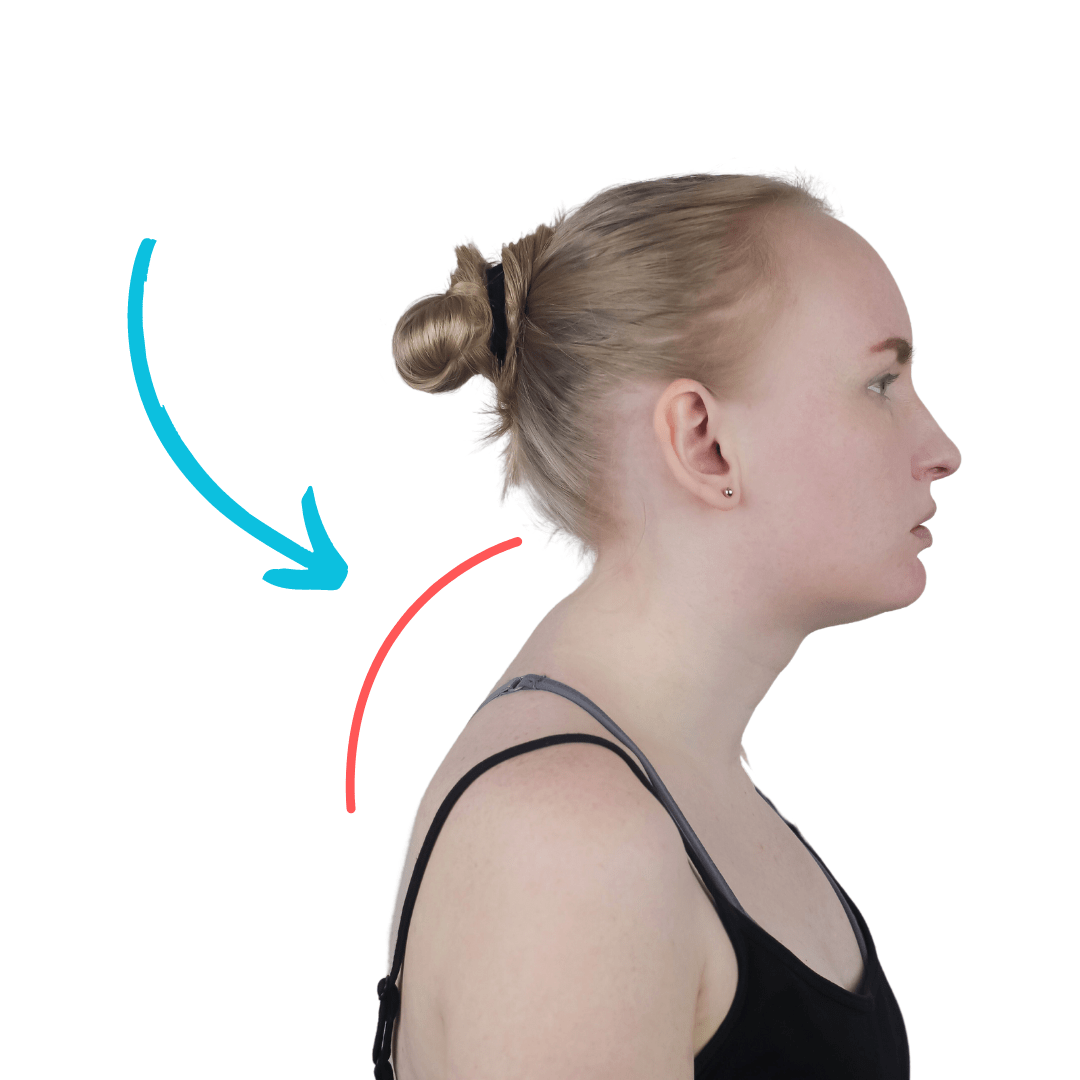

What Causes a Neck Hump?
1. Forward Head Posture (Tech Neck)
Spending hours looking down at laptops or mobile phones shifts the head forward. This increases the load on neck muscles and compresses the upper spine, leading to rounding over time.
2. Long Desk Hours
Sitting for extended periods weakens the upper back muscles while tightening the chest and neck muscles. Without balance, the spine adapts into a rounded position.
3. Chronic Stress and Muscle Tightness
Stress causes the shoulders to stay elevated and tense. When muscles never fully relax, stiffness becomes the body’s “new normal.”
4. Age and Reduced Muscle Strength
As muscle strength and spinal flexibility decline with age—especially after 30—the risk of postural issues increases if recovery habits are neglected.
5. Medical Factors (Less Common)
Conditions like osteoporosis or prolonged steroid use can contribute, but these require medical evaluation and are not the most common cause.
Is a Neck Hump Just Fat?
In most cases, no.
-
It’s usually a combination of posture + muscle tightness
-
Weight loss alone rarely fixes it
-
Early-stage neck humps are often reversible
Common Symptoms People Experience
-
Neck and shoulder stiffness
-
Upper back pain
-
Tension headaches
-
Limited neck mobility
-
Pain that worsens after work or at night
-
A “heavy” or compressed feeling in the shoulders
These symptoms often worsen when recovery is ignored.
Can a Neck Hump Be Fixed?
Yes, especially in early and moderate stages.
Improvement depends on consistent habits rather than quick fixes.
Key areas to focus on:
-
Correcting daily posture
-
Releasing tight neck and shoulder muscles
-
Strengthening upper back muscles
-
Reducing daily stress accumulation
-
Creating a recovery routine after work
Simple Daily Habits That Help Improve Neck Hump
Improve Screen Posture
-
Keep screens at eye level
-
Avoid bending your neck forward
-
Take posture breaks every 45–60 minutes
Release Muscle Tension Daily
Tight muscles pull the spine out of alignment. Gentle stretching, heat, and targeted muscle relaxation help restore balance and improve blood flow.
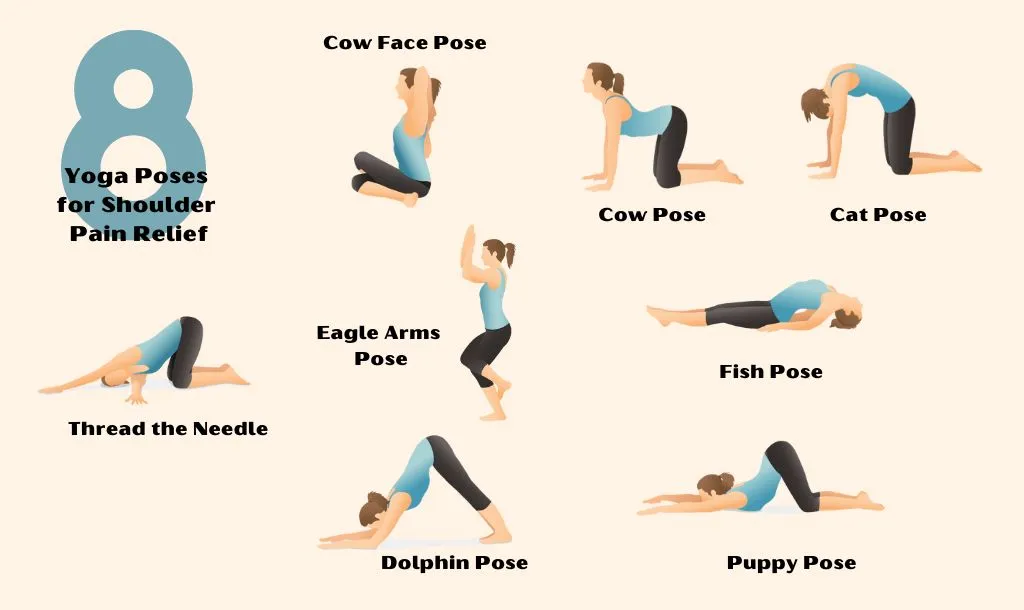
Strengthen Upper Back Muscles
Exercises that activate the upper back and shoulders help counteract rounding and support better posture over time.
Create an Evening Recovery Routine
The body recovers best when tension is released consistently—especially after long workdays. Even 15–30 minutes of intentional recovery can prevent long-term postural issues.
Why Neck Hump Is So Common Today
This condition has increased dramatically due to:
-
Laptop- and phone-heavy lifestyles
-
Work-from-home setups with poor ergonomics
-
Long screen hours without recovery
-
High-stress professional environments
It’s no longer limited to older adults people in their 20s and 30s experience it too.
Conclusion
A neck hump is your body’s signal that it’s under constant strain. While it may develop slowly, it doesn’t have to be permanent. With awareness, posture correction, and daily muscle recovery, improvement is absolutely possible.
Addressing the problem early not only improves appearance but also reduces pain, stiffness, and long-term discomfort.